DUI DEFENSE IN COLUMBUS, OH
DUI & OVI
If you’re facing a DUI charge in Columbus, Ohio, the consequences can be severe, especially if the DUI involves bodily injury, a minor passenger, or results in a fatality. We fight to protect your rights, challenge the prosecution, and achieve the best possible outcome in your case.
To schedule a consultation with our firm and receive legal counsel you can trust, contact us online, or via phone at (614) 443-6818.
DUI Types & Charges in Columbus, Ohio
DUI Types & Charges
- DUI with Bodily Injury
- DUI Homicide
- DUI with Minor Passenger
- Marijuana/Drug DUI
Common DUI Defenses
- Police Mistakes
- How We Fight a DUI Charge
- Breath & Blood Tests
Additional Information
- Why Choose Nathan Akamine
- Testimonials
- Possible DUI Consequences
- Common DUI Questions
- Record Expungement
DUI with Bodily Injury
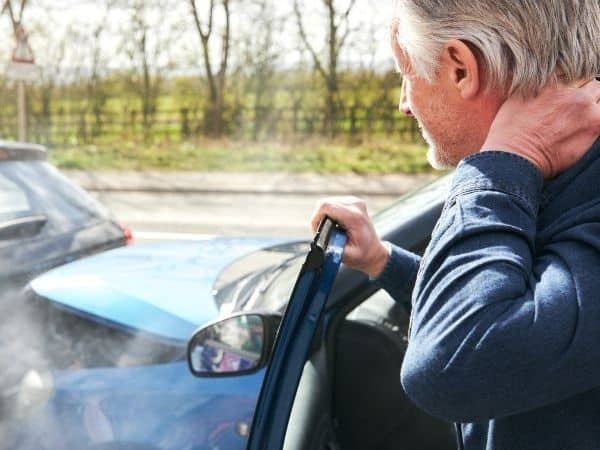
When a DUI causes serious physical harm to someone else, it is charged as aggravated vehicular assault, or DUI with bodily injury, a felony in Ohio.
What Ohio Considers “Serious Physical Harm”:
- Any mental illness or condition requiring hospitalization or prolonged psychiatric treatment
- Physical harm with substantial risk of death
Permanent incapacity or temporary but substantial incapacity - Permanent or serious temporary disfigurement
- Severe acute pain
Penalties for DUI with Bodily Injury
- Mandatory prison time: 1–5 years
- Fines: Up to $10,000
- License revocation: 2–10 years
- If your license was already suspended, penalties can be harsher
Defending DUI with Bodily Injury
A strong defense may include:
- Challenging the validity of field sobriety tests or BAC results
- Investigating accident causation with accident reconstruction experts
- Negotiating for reduced charges or plea alternatives
→ Click to learn more about how we fight this charge.
DUI Homicide (Aggravated Vehicular Homicide)
A DUI that causes a fatality is treated as DUI homicide, one of the most serious charges in Ohio.
Key Aspects of DUI Homicide Charges:
- Impairment by alcohol or drugs
- Causation of death
- Proof beyond a reasonable doubt by the prosecution
Penalties:
- Lengthy prison sentences
- Heavy fines
- Permanent criminal record affecting employment and housing
Our Defense Strategies:
- Challenging BAC or blood test results
- Examining accident cause to dispute direct causation
- Negotiating lesser charges when evidence is strong
Why choose us for as your DUI Homicide lawyer?
- Extensive experience defending serious DUI charges
- Aggressive representation challenging every aspect of the prosecution’s case
- Compassionate guidance through every stage of the legal process
→ Click here to learn more about how we fight this charge.

DUI with Minor Passenger (Child Endangering)
Let us suppose you are a parent who had a couple of drinks at a family dinner, then you’re pulled over while driving your child home - or maybe a high school senior is stopped for a DUI and has a 17-year old friend in the vehicle. You may get an additional charge of Child Endangerment.
Penalties for Misdemeanor Child Endangering:
- Jail: Up to 6 months
- License suspension: 12 months
- Fines: Up to $1,000
Felony Charges:
- If the child is seriously injured, charges escalate to a felony, with potential prison, probation, and restrictions on firearm ownership
How Akamine Law Can Help:
- Challenging evidence or procedural errors
- Negotiating reduced charges or alternative sentencing
→ Click here to learn more about how we fight this charge.
Marijuana & Drug DUI
Although recreational and medical marijuana are legal in Ohio, drugged driving laws are strict.
Common Consequences:
- License suspension or loss of driving privileges
- Fines: $350–$1,000
- Jail or house arrest
- Court-mandated drug programs
How We Can Defend You:
- Blood and urine tests may detect inactive metabolites that do not cause impairment
- Field sobriety evaluations and officer training may be challenged. It's common for police mistakes to be made.
→ Click here to learn more about how we fight this charge.

Police Mistakes During a DUI Stop
Even small errors can help your defense:
- Improperly administered field sobriety tests
- Lack of probable cause for the stop or arrest
- Incomplete or missing documentation
- Procedural errors during evidence collection
Promptly contacting a DUI attorney is critical to identify and leverage these mistakes.

Breath & Blood Test Defense
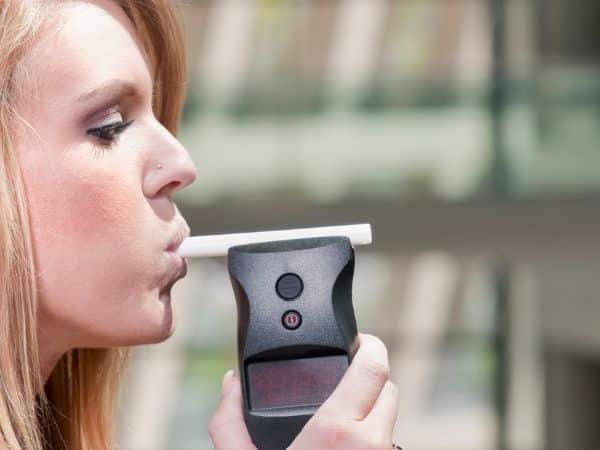
Many people assume failing a breathalyzer or blood test is automatic conviction. That’s not true. Common issues include:
- Expired or uncertified BAC operators
- Improper calibration or maintenance of breathalyzer instruments
- Unqualified personnel or unsterile conditions during blood/urine collection
- Mishandling of samples or faulty testing machinery
Any of these errors can result in suppression of evidence or reduced charges.
How can I fight a DUI charge?
Every DUI case is different. The facts, your driving record, and how the police handled the situation all matter. Because a DUI conviction stays on your record, the goal is simple;
either get the charge dismissed or reduce it to something less serious.
Here’s how we build a strong defense:
1. Challenging the Traffic Stop and Arrest
We start by looking at why you were pulled over in the first place.
- Did the officer have a valid reason to stop you?
- Did they have the right to keep you detained?
- Did they actually have enough evidence to arrest you?
If the answer to any of these is no, your case could be dismissed.
2. Challenging Breath, Blood, and Urine Tests
Just because you tested over the legal limit does not mean you’re automatically guilty.
Police must follow strict procedures when handling these tests. If they don’t:
- The results can be thrown out
- The case becomes much weaker
And the truth is—mistakes happen more often than people think.
3. Field Sobriety Test Errors
Field sobriety tests (like walking in a straight line) must follow very specific rules set by law enforcement guidelines.
If those rules aren’t followed properly:
- The results may not be allowed in court
I’ve been trained and certified in how these tests are supposed to be done—which helps me spot mistakes that others might miss.
4. Reducing the Charges
If a full dismissal isn’t possible, the next best outcome is reducing the charge.
In many cases, we can negotiate:
- A reduction to a non-moving violation
- No DUI on your record
- No points on your license
- No mandatory minimum penalties
5. Protecting Your Driver’s License
After a DUI arrest, your license is often suspended right away.
But that doesn’t mean you’re stuck without driving.
We can often:
- Challenge the suspension at your first court hearing
- Help you regain driving privileges quickly
- Identify errors that could cancel the suspension entirely
Bottom Line
A DUI charge is serious—but it’s absolutely fightable.
The earlier you get a lawyer involved, the more opportunities there are to challenge the case and protect your future.
What Our Clients
Are Saying
Why choose us?
Personalized Defense
You won't be just another case number. We take the time to get to know you and understand the details of your situation. You'll get the attention your case and your future deserve.
Local Experience
Years of experience in Columbus courtrooms have allowed us to build professional relationships with local prosecutors and judges that can benefit your case through more productive negotiations and respected advocacy.
Highly Recommended
Most of my clients come from word of mouth. My past clients know how I've helped them and they recommend me to their family and friends. That's the best endorsement I could ask for.
Proven Results
We get the results you need while taking a human-based approach. We care about you, we're here for you, and we recognize this is the toughest time of your life.
Possible DUI Consequences in Ohio
It's important to remember that these are only possible consequences. Regardless of if this is your first or fifth DUI charge, we can fight it.
1st Offense in 10 Years
(Below .170 BAC or simple impaired)
- Degree of Defense: Misdemeanor 1.
- Jail Time: 3 days jail (or DIP*) up to 6 months.
- Fines: $375-$1,075.
- Treatment: Optional.
- License Suspension: 1 – 3 years.
- Driving Privileges: After 15 days (30 if refusal).
- Restricted Plates/IID**: Optional.
(Above .170 BAC or refusal with prior in 20 years)
- Degree of Defense: Misdemeanor 1.
- Jail Time: 6 days jail (or 3 days + DIP*) up to 6 months.
- Fines: $375-$1,075.
- Treatment: Optional.
- License Suspension: 1 – 3 years.
- Driving Privileges: After 15 days (30 if refusal).
- Restricted Plates/IID**: Plates required. IID** optional.
2nd Offense in 10 Years
(Below .170 BAC or simple impaired)
- Degree of Defense: Misdemeanor 1
- Jail Time: 10 days jail (or 5 days jail and 18 days HAEM*** and/or CAM****) up to 6 months.
- Fines: $525-$1,675.
- Treatment: Alcohol/Drug Assessment with recommended treatment mandatory.
- License Suspension: 1 – 7 years.
- Driving Privileges: 45 days (90 if refusal).
- Restricted Plates/IID**: Plates required. IID** required if alcohol-related, optional if drug-related.
- Additional Punishment: 90 days vehicle immobilization.
(Above .170 BAC or refusal within prior 20 Years)
- Degree of Defense: Misdemeanor 1.
- Jail Time: 20 days jail (or 10 days jail and 36 days HAEM*** and/or CAM****) up to 6 months.
- Fines: $525-$1,675.
- Treatment: Alcohol/Drug Assessment with recommended treatment mandatory.
- License Suspension: 1 – 7 years.
- Driving Privileges: Restrictions: 45 days (90 if refusal).
- Restricted Plates/IID**: Plates required for above .170 test, option for refusal. IID** required if alcohol-related, optional if drug-related.
- Additional Punishment: 90 days vehicle immobilization.
3rd Offense in 10 Years
(Below .170 BAC or simple impaired)
- Degree of Defense: Unclassified misdemeanor.
- Jail Time: 30 days jail (or 15 days jail and 55 days HAEM*** and/or CAM****) up to 1 year.
- Fines: $850-$2,750.
- Treatment: Alcohol/Drug Addiction Program treatment mandatory.
- License Suspension: 2 – 12 years.
- Driving Restriction: 180 days (1 year if refusal).
- Restricted Plates/IID**: Plates required. IID** required if alcohol-related, optional if drug-related.
- Additional Punishment: Possible vehicle forfeiture.
(Above .170 BAC or refusal with prior in past 20 Years)
- Degree of Defense: Unclassified misdemeanor.
- Jail Time: 60 days jail (or 30 days in jail with 110 days HAEM*** and/or CAM****) up to 1 year.
- Fines: $850-$2,750.
- Treatment: Alcohol/Drug Addiction Program treatment mandatory.
- License Suspension: 2 – 12 Years.
- Driving Privileges: 180 days (1 year if refusal).
- Restricted Plates/IID**: Plates required. IID** required if alcohol-related, optional if drug-related.
- Additional Punishment: Possible vehicle forfeiture.
4th or 5th Offense in 10 Years – OR – 6th Offense in 20 Years.
(Below .170 BAC or simple impaired)
- Degree of Defense: Felony of the 4th Degree.
- Jail Time: 60 days local incarceration up to 1 year or 60 days in prison with option of additional 6 to 30 months.
- Fines: $1,350-$10,500.
- Treatment: Alcohol/Drug Addiction Program treatment mandatory.
- License Suspension: 3 Years to lifetime.
- Driving Privileges: After 3 years.
- Restricted Plates/IID**: Plates required. IID** required if alcohol-related, optional if drug-related.
- Additional Punishment: Possible vehicle forfeiture.
(Above .170 BAC or Refusal)
- Degree of Defense: Felony of the 4th Degree.
- Jail Time: 120 days local incarceration up to 1 year or 120 days in prison with option of additional 6 to 30 months.
- Fines: $1,350-$10,500.
- Treatment: Alcohol/Drug Addiction Program treatment mandatory.
- License Suspension: 3 Years to lifetime.
- Driving Privileges: After 3 years.
- Restricted Plates/IID**: Plates required. IID
- Required if alcohol-related, optional if drug-related.
- Additional Punishment: Possible vehicle forfeiture.
Talk to Nathan Akamine for FREE
If you or a loved one are facing criminal charges, let's talk.
Common Questions
What does DUI & OVI mean and is there a difference between them?
They are both acronyms. “DUI” stands for “Driving Under the Influence”, while “OVI” stands for “Operating a Vehicle while Impaired”. Both refer to drunk or impaired driving. In the State of Ohio there is no difference between them.
Can I be charged with DUI/OVI if the drugs were prescribed to me?
The short answer is yes. Whether the drugs are prescription, over-the-counter (OTC), or illegal, they may impair your driving ability due to side effects. In the eyes of the law, it is your responsibility to know the effects of medication and whether they impair your ability to drive.
Will a DUI go on my permanent record?
Yes. However, if you were arrested but the DUI charges were later dropped or reduced, only the dismissal or reduction will show.
How long will a DUI stay on my record?
In Ohio, a DUI conviction adds 6 points to your driving record. The points drop off after two years. However, the DUI conviction itself remains on your record forever. A DUI / OVI cannot be expunged under current Ohio Law.
Will a DUI conviction show up on my background check?
It depends. A DUI conviction will definitely be reflected in your traffic record. As a result, your car insurance provider will likely categorize you as a “high risk” driver. Your insurance rates typically increase, or your policy may be canceled or denied renewal. A DUI conviction may or may not show on a criminal background check, depending on the type of check that is run.
Do I need an attorney for a DUI charge?
Absolutely. Whether your charge is a misdemeanor or a felony, a conviction brings serious penalties. You face jail time, license suspension or revocation, fines, increased car insurance rates, and other collateral effects of which you may be unaware. At the very least, you should speak with a DUI Lawyer prior to deciding how to proceed.
What if I can't afford to pay a DUI Lawyer?
If you qualify as indigent, the court will appoint a public defender at no charge to you. While public defenders are licensed attorneys, their large caseloads might prevent them from providing the attentiveness necessary to attain the best resolutions to cases. It is almost always in your best interest to hire a personal DUI lawyer.
Is it possible to win a drunk driving case after I was arrested?
Yes. Many charges are the result of faulty test results, faulty testing devices, and police mistakes. Police officers often improperly administer standardized field sobriety tests. Any of these can be a basis for excluding evidence, thereby strengthening your case.
I was never read my Miranda rights. Can my case be dismissed?
Unfortunately, your case will probably not be dismissed. However, once arrested, a Miranda warning must be given if there is to be a legally admissible interrogation while in police custody. If you made incriminating statements in such a situation without Miranda warnings, we may be able to suppress the statements. Suppressed statements cannot be used against you at trial.
Will I go to jail for a DUI conviction?
It depends. If this is your first offense, your chances of avoiding jail time are much greater. However, if you’re facing your second or subsequent conviction for multiple DUIs, Ohio law mandates a jail term. A case involving an injury or death also involves a jail or prison sentence. Even if there is strong evidence against you, an experienced DUI attorney may be able to negotiate a resolution that avoids a jail sentence.
Is it legal to obtain a driver's license in any state if your license is revoked in another state?
Each state has its own motor vehicle laws that need to be consulted to determine the impact of an Ohio suspension/revocation. There are several states that do recognize revocations and suspensions issued in the State of Ohio.
Is the police issued breath test (Breathalyzer) accurate?
This is a highly disputed topic in the legal community. There are many things that can affect the accuracy of a BAC machine. A person’s metabolism, medical conditions, and machine calibration are a few issues that may arise with regard to BAC machine accuracy. There are other reasons why breath tests could be inaccurate.
*Each case is unique. For personalized guidance, contact an experienced criminal defense attorney - even if it's not me.